In the evolving conversation surrounding cannabis, a critical area demanding detailed exploration is the deep connection between marijuana use and cognitive function. As societal attitudes toward cannabis shift, there’s a growing need to uncover how this widely used substance affects our thinking abilities.
This article aims to illuminate the impact of cannabis on cognitive function, examining crucial aspects such as intelligence, brain development, and the intriguing concept of the “functional stoner.” Central to our discussion are essential terms like cognitive function, intelligence, brain development, cannabis, functional stoner, and smoking, guiding our exploration of the complex relationship between cannabis consumption and mental processes.
Our exploration begins by investigating intelligence and cognitive function, seeking to unravel the diverse effects of cannabis. Through a review of research findings, our aim is to offer a balanced perspective that considers both potential benefits and drawbacks, challenging common stereotypes and promoting a nuanced understanding of how cannabis interacts with cognitive abilities.
The Relationship Between Cannabis and Intelligence
As we navigate the intricate landscape of the interplay between cannabis and cognitive function, it becomes evident that this relationship is far from straightforward. A myriad of studies has embarked on the task of unraveling the complex tapestry woven by cannabis use and its impact on cognitive abilities. In the short term, research consistently points to the potential influence of weed on attention, memory, and decision-making processes. However, delving into the long-term effects reveals a more nuanced narrative, where divergent findings contribute to an ongoing dialogue about the persistent impact of cannabis on cognitive function over extended periods.
It is crucial to approach this discourse with a discerning eye, recognizing that not all research findings align neatly. The relationship between weed and intelligence remains a subject of continual investigation, with scientists and experts striving to decipher the true extent of this connection. Addressing common misconceptions is paramount in fostering a more informed understanding of the impact of cannabis on cognitive abilities. While some may hold the presumption that cannabis unequivocally hampers intelligence, the reality is undeniably multifaceted.
Dispelling misconceptions requires a holistic examination of how weed truly affects cognitive function, considering a spectrum of factors. Dosage, frequency of use, and individual variability play pivotal roles in shaping the outcomes of cannabis consumption on cognitive abilities. As the scientific community continues to contribute to this evolving discourse, staying informed becomes a cornerstone for individuals navigating their choices in the realm of cannabis consumption and its potential effects on cognitive function.
The Developing Brain and Cannabis Use
The interplay between cannabis use and the developing brain, particularly in younger individuals, introduces a layer of intricacy to the ongoing discourse on weed and cognitive function. Scientific investigations consistently highlight the vulnerability of the developing brain to external influences, with cannabis emerging as a notable factor. The evolving landscape of findings suggests that the impact of weed on brain development is nuanced and dependent on various factors, including the age of onset, frequency of use, and dosage.
Young brains, navigating critical stages of development, are inherently more susceptible to potential alterations in neural pathways due to cannabis exposure. Research posits that cannabis use during this formative period may have repercussions on executive functions, learning capabilities, and emotional regulation. While the scientific community continues to delve into these complexities, it is essential to acknowledge the potential risks associated with cannabis use during crucial neurological growth phases.
In response to these insights, the advocacy for responsible cannabis use takes on heightened significance, especially for individuals in the critical stages of brain development. Although conclusive evidence is still evolving, fostering awareness about potential risks becomes paramount. Encouraging open dialogues about responsible consumption practices, underscored by principles of moderation and mindfulness, can empower individuals to make informed choices aligned with their well-being.
Understanding how weed may influence the developing brain emphasizes the importance of responsible cannabis use during these pivotal stages of neurological growth. Striking a delicate balance between scientific knowledge and practical advice is imperative as we navigate this intricate terrain, ensuring that individuals are equipped with the information needed to make conscientious decisions about their cannabis consumption, particularly in consideration of the impact on the developing brain.
Age and Cannabis Effects
Delving into the complex relationship between age and the effects of cannabis on cognitive function is a crucial step in fostering responsible consumption practices. This exploration reveals that the impact of cannabis can vary significantly across different age groups, presenting a nuanced interplay influenced by the unique characteristics of each life stage. Studies have consistently demonstrated that younger individuals, especially those with developing brains, may be more susceptible to certain cognitive impacts associated with cannabis use. The vulnerability of the developing brain to external influences highlights the need for cautious consumption during these critical stages, as the potential effects on cognitive abilities could be more pronounced.
Conversely, older adults may experience distinct effects due to age-related changes in metabolism and neuroplasticity. As individuals age, physiological shifts occur that can alter the way the body processes and responds to cannabis. Understanding these age-related considerations is paramount for approaching cannabis use responsibly. Tailored awareness for different life stages becomes imperative, guiding individuals to make informed choices that align with their age-specific needs and potential vulnerabilities.
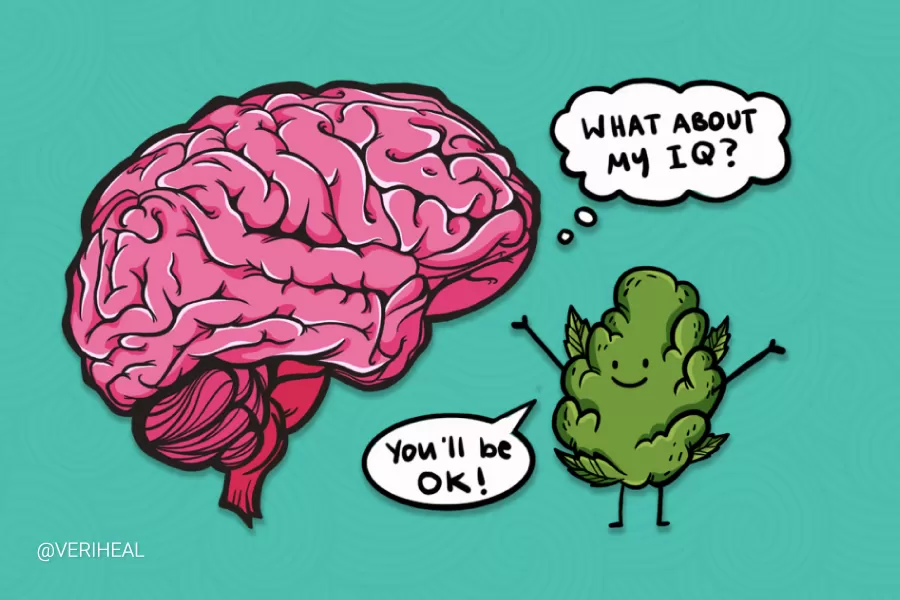
For those in the critical stages of brain development, adopting a cautious approach to cannabis consumption is advised. This involves recognizing the potential impact on cognitive abilities and making decisions that prioritize long-term cognitive health. Similarly, older adults should remain mindful of age-related physiological changes, ensuring that their cannabis use is aligned with their overall health and well-being. This comprehensive understanding of age-related nuances in the effects of cannabis on cognitive function empowers individuals to navigate responsible consumption practices throughout the various stages of life, fostering a more informed and personalized approach to cannabis use.
Deciphering the Link Between Intelligence and Cannabis
The intricate relationship between intelligence and weed unfolds a complex narrative that weaves together diverse perspectives, revealing the multifaceted nature of this interplay. Research findings, often nuanced and at times contradictory, contribute to our evolving understanding of how cannabis may impact cognitive abilities. Some studies illuminate the potentially positive aspects, pointing towards certain compounds in cannabis, notably cannabinoids, that exhibit neuroprotective properties. These findings raise the intriguing possibility that cannabis could enhance specific cognitive functions.
However, the narrative takes a contrasting turn as other research surfaces concerns associated with long-term cannabis use. Memory impairment, decreased attention span, and potential declines in overall cognitive performance emerge as notable considerations, casting a shadow over the potential benefits identified in previous studies. This duality underscores the need for a comprehensive exploration of the varied effects of cannabis on cognitive function.
An additional layer to this discourse is introduced through the concept of the “functional stoner.” Defined by individuals who, despite regular cannabis use, maintain an apparently unaffected level of productivity and cognitive performance, the functional stoner challenges stereotypical notions surrounding cannabis and intelligence. This concept acknowledges the significant role of individual differences in how people respond to cannabis, prompting a closer examination of the factors contributing to this intriguing paradox.
Exploring the intricacies of the functional stoner phenomenon becomes a crucial endeavour, broadening our understanding of the diverse ways in which cannabis may interact with cognitive function. By embracing this holistic perspective, we navigate beyond simplistic stereotypes and engage in a more nuanced discussion about the potential impact of weed on intelligence.
Smoking vs. Alternative Consumption Methods
A pivotal aspect of understanding the impact of weed on cognitive function involves a comparative analysis of different consumption methods, with smoking being a traditional and widely prevalent approach. Smoking weed introduces cannabinoids into the bloodstream rapidly, resulting in quicker onset but potentially exposing individuals to harmful byproducts of combustion. This method has been associated with respiratory concerns, which, in turn, can have implications for overall health.
In contrast, alternative consumption methods, such as vaporization or edibles, offer a different spectrum of effects. Vaporizing cannabis heats it to a temperature that releases cannabinoids without combustion, potentially mitigating respiratory risks associated with smoking. Edibles, on the other hand, involve the ingestion of cannabis-infused products, offering a slower onset but often with longer-lasting effects. The choice of consumption method becomes crucial in the context of cognitive function, as the rate of absorption and the bioavailability of cannabinoids can vary significantly.

Considering these factors, the relevance of the method of intake in relation to cognitive function is substantial. The speed at which cannabinoids reach the brain, as well as the potential presence of additional compounds from combustion, may influence the overall impact on cognitive abilities. It becomes imperative to weigh the potential benefits and risks associated with different consumption methods, keeping in mind individual preferences and health considerations.
Furthermore, the landscape of cannabis consumption is witnessing dynamic shifts, with emerging trends shaping the way people engage with the plant. From the increasing popularity of cannabis-infused beverages to the exploration of novel delivery methods, these trends have the potential to influence how cannabis interacts with cognitive function. Understanding these emerging trends is essential for individuals navigating the diverse options available and making informed choices that align with their preferences and well-being.
The Role of Genetics
Embarking on a deeper exploration into the intricate role of genetics in cannabis response unveils a captivating landscape where individual variations play a pivotal role in shaping the outcomes of cannabis consumption. The understanding of how genetic factors contribute to the diverse responses to cannabis becomes fundamental in constructing a nuanced comprehension of this complex relationship. Ongoing research has meticulously probed into genetic predispositions, unraveling how specific genes may intricately influence an individual’s sensitivity to cannabinoids—the active compounds found in cannabis. These genetic variations can exert a significant impact on how cannabinoids interact with receptors in the brain, thereby potentially influencing cognitive function.
Within the realm of cannabis use, studies have started to cast light on the potential impact of genetic factors on cognitive function. Certain genetic markers have emerged as influential factors, contributing to heightened susceptibility or resilience to cognitive effects associated with cannabis consumption. This revelation underscores the inherently personalized aspect of how individuals respond to cannabis, challenging the notion that a uniform approach applies to all.
The complexity inherent in genetic factors emphasizes the necessity for personalized considerations in cannabis consumption, recognizing the undeniable truth that one size does not fit all. As our understanding of the interplay between genetics and cannabis deepens, the implications of personalized genetic considerations extend beyond mere individual preferences to responsible use. Armed with knowledge about their genetic predispositions, individuals can make more informed decisions regarding their cannabis consumption, factoring in potential variations in response based on their unique genetic makeup.
Cannabis Use and Mental Health
Exploring the intricate intersection between mental health and the impact of cannabis on cognitive function is essential for fostering a comprehensive understanding of responsible consumption. The relationship between cannabis use and mental health is multifaceted, with studies revealing both potential benefits and risks. Research suggests that individuals with pre-existing mental health conditions may experience varying outcomes, as cannabis can interact with neurotransmitters and affect mood regulation. While some individuals report therapeutic effects, others may encounter exacerbation of symptoms, especially in cases of anxiety, depression, or psychotic disorders.
Understanding these dynamics is crucial for advocating responsible cannabis use among individuals with mental health considerations. For those seeking therapeutic benefits, consulting with healthcare professionals becomes paramount. Clear communication with mental health practitioners ensures a collaborative approach, considering individual circumstances and potential interactions between cannabis and prescribed medications.

Responsible cannabis use in the realm of mental health extends beyond individual choices to include broader societal considerations. Acknowledging the potential impact on cognitive function, individuals with mental health concerns are encouraged to engage in open communication about their cannabis use within support networks and healthcare settings.
Exploring Gender Variances in the Effects of Cannabis
Embarking on an exploration of gender differences in the impact of cannabis on cognitive function uncovers a nuanced dimension within the broader discourse on cannabis consumption. Research in this realm seeks to elucidate potential variations in how cannabis affects cognitive abilities based on gender, contributing valuable insights to our understanding of the intricate relationship between cannabis and the mind. Delving into this topic involves not only scrutinizing existing studies but also acknowledging the intricate interplay of hormonal and physiological factors that may contribute to varying responses among individuals of different genders.
Existing research has begun to unveil potential gender-based differences in how cannabis impacts cognitive function. Hormonal fluctuations, particularly those associated with the menstrual cycle, may play a role in influencing how individuals of different genders respond to cannabinoids—the active compounds in cannabis. Physiological factors, including variations in body composition and metabolism, add another layer of complexity to the discussion, shaping the potential effects of cannabis on cognitive abilities.
Recognizing gender-specific considerations in cannabis consumption becomes paramount in fostering a comprehensive understanding of responsible use. The impact of cannabis on cognitive function may not be uniform across genders, and individuals are encouraged to be mindful of these potential variations. Tailoring consumption practices to account for these nuances is crucial for promoting informed decision-making and responsible cannabis use.
Understanding Individual Differences in Cannabis Effects
Navigating the intricate relationship between weed and intelligence demands a nuanced comprehension that not only acknowledges but embraces the inherent individual differences in response to cannabis. A critical consideration in this exploration is the understanding that the impact on cognitive function is profoundly subjective, with substantial variation observed among individuals. Dosage emerges as a pivotal factor, with the realization that different people possess varying tolerances and sensitivities to the diverse array of active compounds found in cannabis. What might be a moderate dose for one person could elicit a markedly different response in another.
The frequency of cannabis use further contributes to the complexity of outcomes, as occasional users may encounter distinct effects compared to those who incorporate cannabis into their routines regularly. The intricacies of these individual responses underscore the need for personalized approaches to cannabis consumption, acknowledging that there is no one-size-fits-all guideline.
Beyond dosage and frequency, the overall health of an individual assumes a central role in determining how weed interacts with intelligence. Those with pre-existing health conditions may witness differing outcomes, and certain medications may potentially interact with cannabinoids, influencing cognitive function in unpredictable ways. Lifestyle factors, including diet and exercise, also enter the equation, as they have the potential to shape how the body processes and responds to cannabis.
Examining real-world examples further illuminates the diversity of responses. Some individuals maintain cognitive sharpness despite regular cannabis use, while others may notice pronounced effects even with minimal consumption. Recognizing these individual variances becomes integral in fostering a comprehensive understanding of the interplay between weed and intelligence.
Unveiling the Complexities of Cannabis and Cognitive Function
In summary, our exploration into the intricate connection between cannabis consumption and intelligence has unveiled a complex interplay of factors influencing cognitive function. We’ve delved into diverse perspectives on the potential impacts of cannabis, both positive and negative, and emphasized the importance of considering alternative consumption methods. The impact on brain development, particularly among younger users, highlights the necessity of using cannabis responsibly, with individual differences significantly shaping outcomes. As we navigate the uncertainties surrounding cannabis and intelligence, understanding variables such as dosage, frequency, and overall health becomes crucial in interpreting individual responses.
Given these findings, readers are encouraged to make well-informed choices regarding cannabis use, drawing from the comprehensive insights provided. A personalized and thoughtful approach, considering individual circumstances and preferences, is essential for responsible use. It’s important to acknowledge that the relationship between cannabis and intelligence is an evolving field of study, necessitating ongoing research for deeper insights.
By staying informed and contributing to informed discussions, individuals can actively contribute to shaping the dialogue on cannabis and cognitive function. The imperative is clear: embrace knowledge, exercise discretion, and advocate for responsible consumption, fostering a balanced and informed perspective on this intricate relationship.